
Insights and Trends
-

Expert Q&A: Navigating Complexity in Inpatient Rehabilitation
October 15, 2026Over the past 15 years, post-acute care, particularly acute rehabilitation units (ARUs) and inpatient rehabilitation facilities (IRFs), has undergone significant transformation. What was once viewed as a routine transitional care step is now a highly specialized, tightly regulated clinical discipline.
Learn more -

Healthcare Headlines from the Hill: September Edition
September 29, 2026Stay ahead of the latest regulatory shifts and healthcare breaking news with Headlines from the Hill.
Learn more -

The Silver Tsunami: Why Geriatric Behavioral Health Is Critical for Hospital Success
September 16, 2026The healthcare landscape is now facing a structural transformation. Adults aged 65 and older now exceed 61 million, making them the fastest-growing demographic in the United States.* This rise in older adults, often referred to as the "Silver Tsunami," has shifted care demand, particularly within behavioral health.*
Learn more -

Elevating Hospital Outcomes: Partnership’s Role in Solving Capacity Challenges
September 09, 2026As hospitals navigate rising operational complexities and shifting reimbursement models, optimizing patient throughput relies not just on acute care capabilities, but on seamless transitions into specialized post-acute care, like inpatient rehabilitation facilities (IRFs).
Learn more -
Healthcare Headlines from the Hill: August Edition
August 17, 2026Stay ahead of the latest regulatory shifts and healthcare breaking news with Headlines from the Hill.
Learn more -

CMS 2027 Final Rule: Key Operational and Financial Takeaways for Health Systems
August 04, 2026On July 30, CMS released the fiscal year (FY) 2027 Inpatient Rehabilitation Facility (IRF) Prospective Payment System (PPS) Final Rule. In addition to the annual rate setting adjustments, CMS finalized key clinical policy clarifications regarding therapy initiation and interdisciplinary team scheduling, while signaling long-term moves toward post-acute payment reform.
Learn more -

Four Key Financial Outcomes of Inpatient Rehab Partnerships
July 22, 2026As financial pressures mount and value-based payment models continue to expand, hospital leaders are seeking strategic ways to protect their bottom line while elevating quality of care. Inpatient rehabilitation partnerships, whether structured as joint ventures or contract management, present a powerful opportunity to improve clinical outcomes, streamline patient care transitions and safeguard financial performance in an increasingly complex post-acute landscape.
Learn more -

Closing the Gap: Improving Behavioral Health Access Across Communities
July 13, 2026To effectively address the nearly 51 million individuals experiencing mental illness annually, health systems must first address a primary determinant of care: location.
Learn more -
Overcoming Post-Acute Hurdles: Ask the Expert
July 09, 2026Navigating the current healthcare landscape can be challenging, especially amid shifting rules and regulations governing patient access to critical service lines, such as inpatient rehabilitation.
Learn more -
Healthcare Headlines from the Hill: June Edition
June 24, 2026Stay ahead of the latest regulatory shifts and healthcare breaking news with Headlines from the Hill.
Learn more -
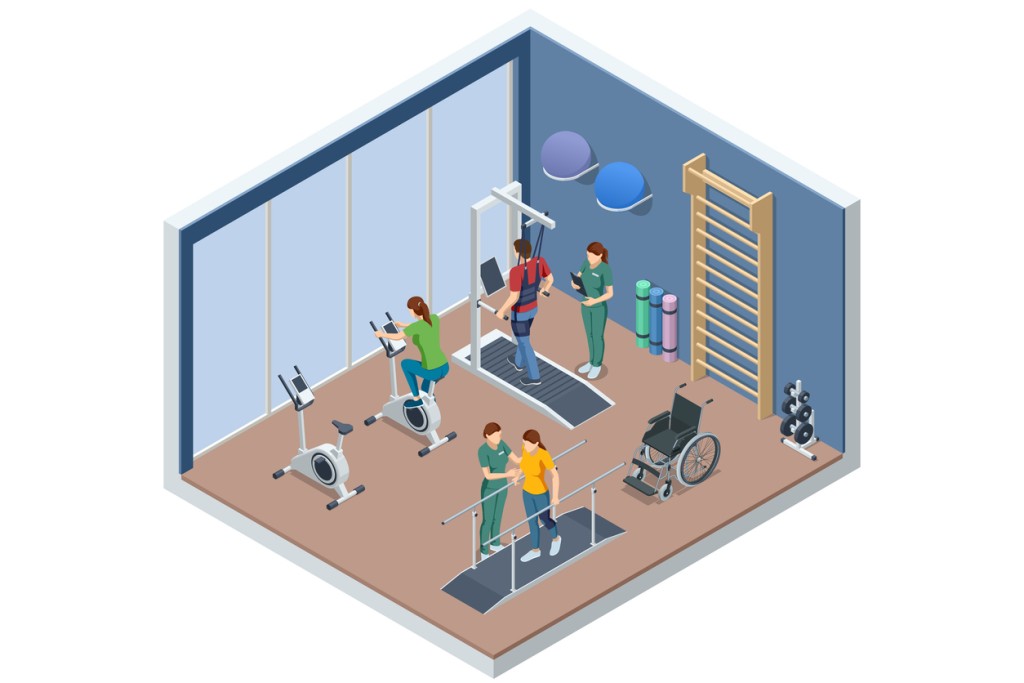
Service Line Optimization: How to Maximize Your Hospital’s Rehabilitation Outcomes
June 10, 2026Health leaders are constantly challenged with balancing superior clinical outcomes with operational efficiency. Moreover, it is important to note that overall hospital success is determined not just by acute care services, but by the post-acute phase as well.
Learn more -
Healthcare Headlines Special Edition: May Report
May 20, 2026Stay ahead of the latest regulatory shifts and healthcare breaking news with Headlines from the Hill.
Learn more -

Bridging the Behavioral Health Gap: Top Five Resources for Talent Development and Retention
May 13, 2026While nearly 40% of behavioral health leaders identify workforce issues—specifically staff retention and recruitment—as a top priority in 2026, the path to a solution isn't always clear. Additionally, overcoming these challenges and maintaining continuity of care is difficult when attempted alone. For many healthcare organizations, strategic partnership remains the most effective way to secure the behavioral health workforce and specialized resources needed for long-term success.
Learn more -

The Power of Co-Location: Maximizing Hospital Outcomes Through Integrated Service Lines
May 04, 2026As we move through 2026, the medical complexity of the average U.S. patient has reached a new peak. * With an aging population and an increasing number of patients with co-morbidities, healthcare providers must be more agile than ever. In today’s landscape, flexibility is no longer a luxury; it is a core operational necessity. Health systems are facing a rapid…
Learn more -

The Future of Healthcare Staffing: What Hospitals Can Expect in 2026 and Beyond
April 28, 2026Hospital leaders continue to be inundated with ongoing healthcare labor shortages. Recent data highlights that challenge, with a projected 100,000-worker deficit by 2028 in the U.S. alone. * This trend presents a significant threat to service line viability, including specialized areas like inpatient rehabilitation, as well as general patient throughput and overall…
Learn more -
Healthcare Headlines from the Hill: April Edition
April 08, 2026Stay ahead of the latest regulatory shifts and healthcare breaking news with Headlines from the Hill. In this month’s edition you will find : CMS releases 2027 IRF Proposed Rule. President’s 2027 budget request recap: Healthcare priorities. Medicare Area Wage Index bill update. Workforce Loan Repayment bill update. CMS releases 2027 IRF Proposed Rule. The…
Learn more -

The Power of Hospital Partnership: How Dual Specialty Integration Boosts Outcomes
March 24, 2026Specialty hospitals, especially those with multiple care offerings, are known to excel in patient-centered care by offering personalized treatment plans, resulting in better outcomes and positive patient satisfaction rates. * The growing number of patients with multiple health conditions makes specialized service lines more critical than ever. Partnership has proven…
Learn more -

The Strategic Value of Behavioral Health Units in Hospital Operations
March 10, 2026In today’s healthcare environment, the emergency department (ED) is increasingly the first, and often only, point of contact for patients experiencing a mental health crisis. While the ED plays a critical role in stabilization, it is not designed to provide the specialized, ongoing care these patients require. Hospitals nationwide are responding to this challenge by…
Learn more -

The Strategic Advantage: How Hospitals Can Elevate Their Offerings Through Post-Acute Partnership
March 05, 2026The post-acute care solutions market is experiencing significant growth. Valued at $472 billion in 2024, this area is projected to hit $856 billion by 2034.
Learn more -
Healthcare Headlines from the Hill: February Edition
February 18, 2026Stay ahead of the latest regulatory shifts and healthcare breaking news with Headlines from the Hill.
Learn more