
Service Line Optimization: How to Maximize Your Hospital’s Rehabilitation Outcomes
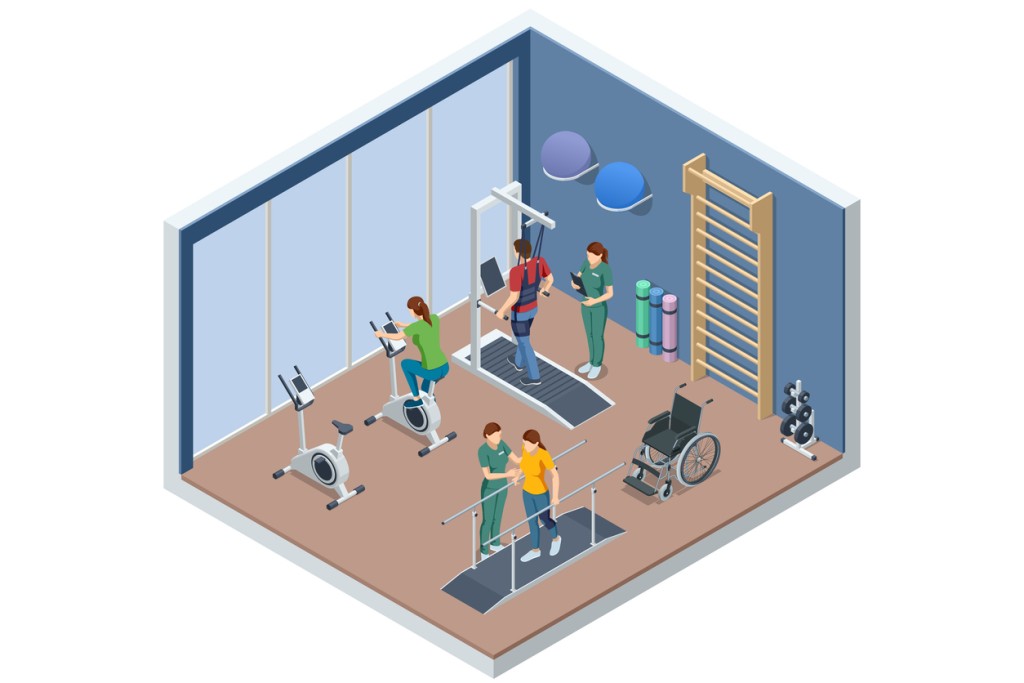
Health leaders are constantly challenged with balancing superior clinical outcomes with operational efficiency. Moreover, it is important to note that overall hospital success is determined not just by acute care services, but by the post-acute phase as well. High-quality, inpatient rehabilitation continues to be among the most critical drivers of long-term patient success.
Discover how rehabilitation meets patient needs and learn the steps your hospital can take to deliver streamlined, high‑quality care.
Investing in specialized, high-intensity inpatient rehabilitation generates returns that can extend years beyond the patient’s discharge date. Two key examples include:
- Reduced long-term mortality for critically ill patients: Sepsis is the third leading cause of death in hospitals.* This critical illness often leaves patients with long-term challenges, including functional decline, muscle weakness and fatigue, in turn requiring physical therapy (PT). Studies highlight the profound impact of post-discharge care, finding that survivors of critical sepsis who receive specialized rehabilitative care are associated with a lower risk of 10-year mortality.*
- Effective trauma recovery: Trauma, including motor vehicle accidents and falls, is the leading cause of disability, incurring an estimated global cost of $518 billion. For these patients, rehabilitation is a critical next step in their road to recovery. Research shows that trauma patients who receive customized rehabilitation programming experience significant, measurable improvements in their overall function, resulting in improved independence, reduced readmission risk and lower care costs.*
These outcomes showcase the critical need for dedicated rehabilitation services to help ensure long-term patient success. But how does effectively integrating and managing a high-performing rehab program translate into measurable gains for the hospital overall?
The Strategic Advantage: How Rehab Optimizes Hospital Performance
In the modern era of value-based care (VBC) and bundled payments, inpatient rehabilitation is a powerful lever for improving key hospital performance metrics:
- Minimizing readmissions: High-quality acute rehabilitation units (ARUs) and inpatient rehabilitation facilities (IRFs) prevent costly 30-day readmissions by stabilizing patients, managing complex comorbidities, and providing intensive functional training. This factor protects Medicare reimbursement and boosts quality scores.
- Enhancing the patient experience: High-quality inpatient rehab significantly improves functional outcomes, which is the ultimate measure of success for patients and families. This benefit directly results in higher patient satisfaction scores, reinforcing your hospital's reputation and driving market share.
- Optimizing acute bed throughput: Highly efficient ARU/IRF facilities timely patient transitions, moving medically stable individuals out of costly acute beds. This approach improves overall hospital flow, reduces potential emergency department congestion, and allows the hospital to focus on its core mission of providing effective care to all patients.
The Importance of Partnership
While the benefits are clear, successfully integrating and operating an ARU or IRF is complex and requires specialized expertise that often exceeds a hospital’s operational scope.
Partnering with an experienced rehabilitation provider helps hospitals deliver exceptional outcomes for medically complex patients, reduce treatment and readmission costs, and solidify their position as leaders in comprehensive, value-based care.
Contact us to learn how a joint venture or contract management partnership can help your hospital meet the needs of your patients both now and in the future.
References:
*About Sepsis.” U.S. Centers for Disease Control and Prevention (CDC), 2025.
*Rehabilitation and Social Determinants of Health in Critical Illness Recovery Literature: A Systematic Review.” NIH: National Library of Medicine, 2024.
*The value of inpatient rehabilitation on patient function and quality of life after multiple trauma.” ScienceDirect: Injury, 2025.
Get in touch
Contact us today to learn how partnership with Lifepoint could benefit your hospital and community.